
Visual learning is a powerful approach that harnesses the brain’s affinity for images and visual stimuli. This method of learning emphasizes the use of visuals such as diagrams, charts, and infographics to enhance understanding and retention of information. In an age where information overload is commonplace, visual learning techniques stand out as effective strategies for not just absorbing content, but also for making connections and fostering creativity. By tapping into our inherent ability to process visuals, educators and learners alike can transform the way information is conveyed and understood.
The science of visual learning reveals that our brains are wired to respond to visual stimuli. Research indicates that visuals can significantly boost memory retention and comprehension. This is particularly important in educational settings, where the goal is not only to impart knowledge but also to ensure that it is retained and applied effectively. In this guide, we will explore various visual learning techniques, their applications, and how they can be integrated into learning environments for both children and adults.
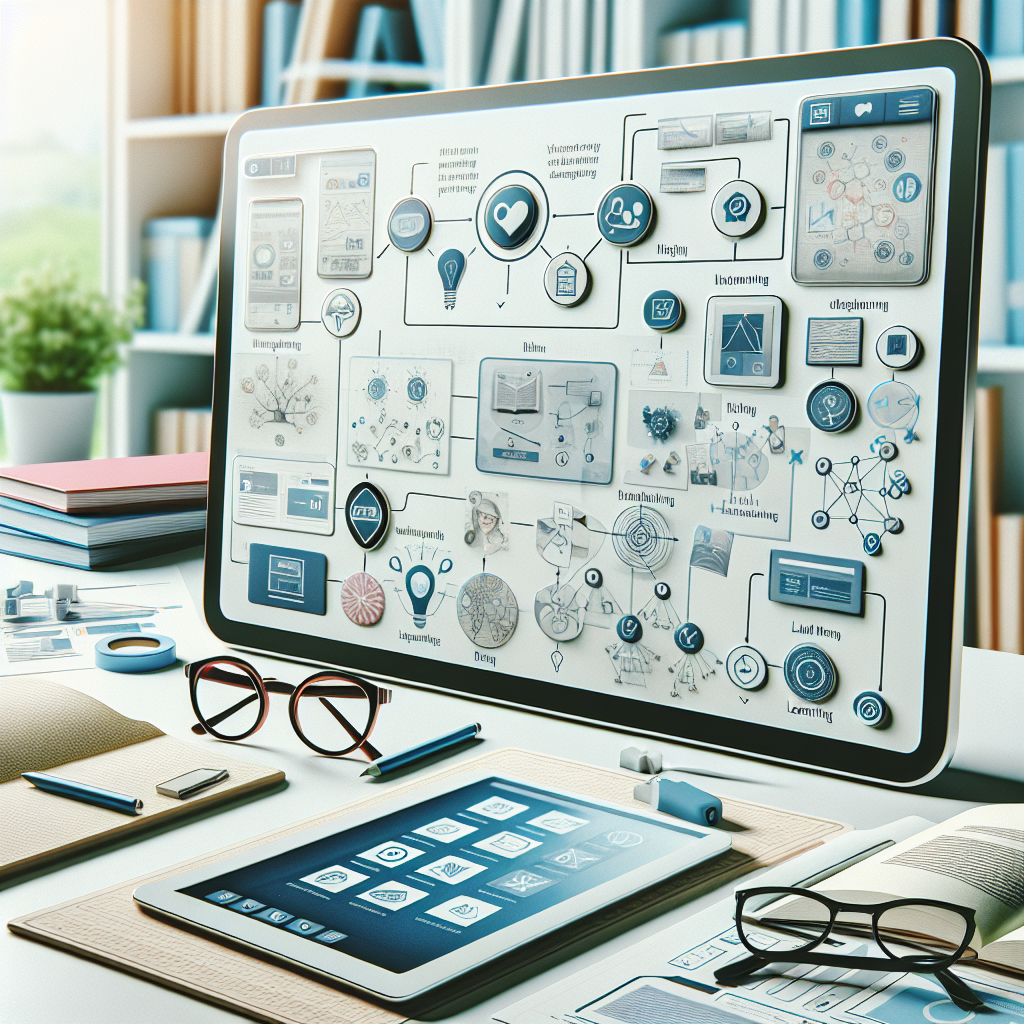
Understanding the different types of visual learning methods is key to utilizing them effectively. From simple charts to complex infographics, each method offers unique benefits. This article will delve into the practical applications of these techniques, the tools that facilitate them, and the challenges that educators and learners may face. Ultimately, the aim is to provide a comprehensive overview that empowers individuals to enhance their learning experiences through visual means.
Understanding Visual Learning Techniques
Visual learning techniques encompass a wide range of methods that utilize visual aids to enhance comprehension and retention. These techniques include diagrams, illustrations, and other graphic formats that present information in a visually engaging way. By catering to the brain’s preference for visual information, these methods can significantly improve the learning process.
One fundamental aspect of visual learning is the recognition of different visual learning styles. Some individuals may prefer infographics, while others might find charts more effective. Understanding these preferences can help tailor learning experiences to maximize engagement and effectiveness. Additionally, visual learning techniques can be particularly useful in breaking down complex information into digestible pieces, making it easier for learners to grasp challenging concepts.
For example, consider a science lesson on the water cycle. A teacher could create a colorful diagram showing the stages—evaporation, condensation, precipitation, and collection. This visual representation not only helps students understand the process but also aids in memory retention, as they can visualize the cycle rather than just reading about it. The takeaway here is that visual learning techniques can transform abstract ideas into concrete images that are easier for learners to understand.
Real-World Examples of Visual Learning Techniques
In real-world applications, businesses also recognize the value of visual learning techniques. For instance, during training sessions, companies often use infographics to summarize key points or charts to illustrate performance metrics. This not only keeps employees engaged but also ensures that critical information is conveyed clearly and effectively.
Another example can be seen in the healthcare sector, where visual learning techniques such as flowcharts and diagrams are used to train medical staff on procedures and protocols. These visuals enhance understanding and reduce the likelihood of errors, demonstrating the practical implications of visual learning in high-stakes environments.
The Role of Charts and Diagrams in Learning
Charts and diagrams play a pivotal role in visual learning techniques. They serve as visual aids that can simplify complex data and concepts, making them easier to understand. By representing information graphically, learners can quickly grasp relationships and patterns that may be difficult to discern through text alone.
For example, a bar chart illustrating the results of a survey can provide a quick snapshot of data, allowing learners to compare different variables at a glance. Similarly, flowcharts can depict processes in a step-by-step manner, making it easier for individuals to follow along and comprehend the sequence of actions required.
One effective strategy for integrating charts into lessons is to encourage students to create their own. By doing so, they actively engage with the material, promoting deeper understanding and retention. This method not only reinforces their learning but also allows for creative expression as they explore how to visually represent information.
Benefits of Using Diagrams in Education
The benefits of using diagrams in education are well-documented. Research shows that students who engage with visual materials often perform better academically. This is partly due to the brain’s ability to process images faster than text, allowing for quicker comprehension and analysis of information.
Additionally, diagrams can cater to various learning styles, accommodating students who may struggle with traditional text-based resources. For instance, visual learners often excel when provided with visual aids that align with their preferred learning methods, leading to improved academic success.
Implementing Visual Aids in Teaching
Implementing visual aids in teaching involves more than just displaying images or charts; it requires thoughtful integration into lesson plans to maximize their impact. Effective use of visual aids can enhance engagement, clarify complex information, and facilitate better understanding among students.
One practical approach is to assess the specific needs of the learners before selecting visual aids. For instance, younger students may benefit from colorful illustrations and interactive visuals, while older students might prefer more sophisticated charts and infographics. By aligning visual aids with the learning objectives and the audience’s preferences, educators can create an environment conducive to learning.
Moreover, training educators on how to use visual aids effectively is crucial. Providing professional development opportunities that focus on the science of visual learning can empower teachers to be more innovative in their approach, ultimately benefiting the students.
Effective Strategies for Using Visual Aids
To maximize the effectiveness of visual aids, it’s essential to employ strategies that ensure they complement the teaching material rather than distract from it. One effective strategy is to introduce visuals gradually, allowing students to absorb information before adding more complex visuals.
Additionally, encouraging students to engage with the visuals—through discussions, group activities, or personal reflections—can further enhance the learning experience. This active participation not only reinforces the material but also fosters a collaborative learning environment.
Benefits of Visual Learning Across Age Groups
The benefits of visual learning techniques extend across age groups, making them versatile tools for educators and learners alike. For children, visual learning can enhance early literacy skills and support their cognitive development. Young learners often respond well to visual stimuli, which can aid in concept formation and memory retention.
In adult education, visual learning techniques can be particularly beneficial in professional development contexts. Adults often juggle multiple responsibilities and may benefit from concise visuals that distill complex information into accessible formats. For instance, a busy professional might find a well-designed infographic summarizing key industry trends to be more useful than a lengthy report.
Furthermore, visual learning can support lifelong learning by catering to diverse learning preferences and promoting engagement. As individuals navigate various stages of life, visual tools can facilitate ongoing education and adaptation to new knowledge and skills.
Case Studies Highlighting Visual Learning Benefits
Numerous case studies have illustrated the positive impact of visual learning techniques across different contexts. For example, a study conducted in a middle school setting showed that students who engaged with visual learning materials scored significantly higher on assessments compared to their peers who relied solely on text-based resources.
In corporate training programs, organizations have reported increased retention and understanding of material when visual aids are incorporated. This suggests that visual learning techniques are not just effective for academic settings but also have tangible benefits in the workplace.
Challenges in Visual Learning
Despite the numerous benefits of visual learning techniques, challenges exist that can hinder their effectiveness. One common challenge is the misalignment between the visual aids used and the learning objectives. When visuals do not accurately represent the information or are overly complex, they can confuse rather than clarify.
Another challenge is the accessibility of visual materials. Not all learners may have the same level of comfort or familiarity with visual aids, which can lead to disparities in understanding. For instance, some students may struggle with interpreting charts or diagrams, which could impede their learning experience.
Moreover, educators may face challenges in integrating visual learning techniques into their existing curricula. Limited resources or a lack of training in effective visual tool implementation can prevent teachers from fully realizing the potential of these techniques.
Strategies to Overcome Visual Learning Challenges
To tackle these challenges, educators can seek to create a more inclusive environment by providing support resources for visual learning. This includes offering training sessions on effective visual communication and making materials accessible to all learners, regardless of their backgrounds or skill levels.
Additionally, fostering a culture of feedback where students can express their preferences regarding visual aids can help educators tailor their approach. By being responsive to students’ needs, teachers can create more effective learning experiences that resonate with their audiences.
Tools and Technologies for Enhancing Visual Learning
In today’s digital age, a plethora of tools and technologies are available to enhance visual learning. Software for visual learning materials, such as graphic design applications and presentation tools, can help educators create engaging visuals that capture students’ attention.
Furthermore, online resources for visual learning, including educational platforms and websites that focus on infographics and data visualization, provide valuable content that can supplement traditional teaching methods. These resources offer learners the opportunity to explore topics in an interactive and visually stimulating manner.
Integrating technology into the classroom can also lead to innovative approaches to visual learning. For instance, using virtual reality (VR) or augmented reality (AR) can create immersive experiences that allow learners to explore complex concepts in a dynamic way. This not only enhances engagement but also deepens understanding.
Evaluating Visual Learning Tools
Evaluating visual learning tools is crucial for ensuring their effectiveness in educational settings. Educators should consider factors such as ease of use, alignment with learning objectives, and the ability to engage learners. Feedback from students can also provide insight into which tools are most effective.
Additionally, keeping abreast of future trends in educational technology can help educators stay informed about emerging tools that can enhance visual learning. Regularly updating resources and methodologies can lead to more effective teaching practices.
Real-Life Applications of Visual Learning Strategies
Real-life applications of visual learning strategies can be seen in various fields, from education to business and beyond. In academic settings, teachers often use visual aids to illustrate historical events, scientific concepts, and mathematical principles, making these subjects more relatable and interesting to students.
In the corporate world, visual learning techniques can enhance presentations and training sessions, ensuring that key information is conveyed clearly and effectively. For instance, a marketing team may utilize infographics to present campaign results, making the data more digestible for stakeholders.
Moreover, visual learning strategies are increasingly being adopted in healthcare, where medical professionals use diagrams and charts to communicate treatment plans, enhancing patient understanding and engagement. These examples illustrate the widespread applicability of visual learning techniques across various domains.
Future Research on Visual Learning
The future of visual learning is ripe with potential for further research and exploration. As the field of neuroscience continues to evolve, understanding the brain processes involved in visual learning can lead to more effective strategies and tools. Investigating how different demographics respond to visual stimuli can also inform tailored educational approaches.
Moreover, exploring the impact of emerging technologies on visual learning, such as artificial intelligence and machine learning, could reveal innovative ways to enhance educational experiences. By continuing to study visual learning techniques, educators and researchers can contribute to a more effective and inclusive learning environment.
Conclusion
Visual learning techniques hold immense potential for enhancing understanding and retention across diverse learning environments. By utilizing tools such as diagrams, charts, and infographics, learners can more effectively engage with information and develop a deeper understanding of complex concepts. The importance of integrating visual aids into teaching cannot be overstated, as they cater to various learning styles and preferences.
As educators and researchers continue to explore the science of visual learning, embracing these techniques will be key to fostering a more effective and inclusive educational landscape. Whether in classrooms, corporate training, or healthcare settings, the future of visual learning looks promising, paving the way for innovative strategies that benefit learners of all ages.