
In the ever-evolving landscape of education, the integration of multimedia study resources has become a cornerstone for effective learning. Traditional textbooks and lectures are being supplemented—or even replaced—by a variety of engaging formats that cater to different learning styles. Imagine immersing oneself in a world of videos, podcasts, interactive quizzes, and infographics, all designed to enhance understanding and retention of complex subjects. The question arises: how can these multimedia resources be effectively incorporated into a study routine to maximize academic success?
Understanding the types of multimedia resources available is crucial. These can range from educational videos and podcasts to online courses and interactive simulations. Each type offers unique advantages, catering to various preferences and learning styles. For instance, visual learners may benefit significantly from videos and infographics, while auditory learners might find podcasts and audiobooks more engaging. The key lies in identifying which resources resonate most with personal learning preferences, thus making studying not just effective but also enjoyable.
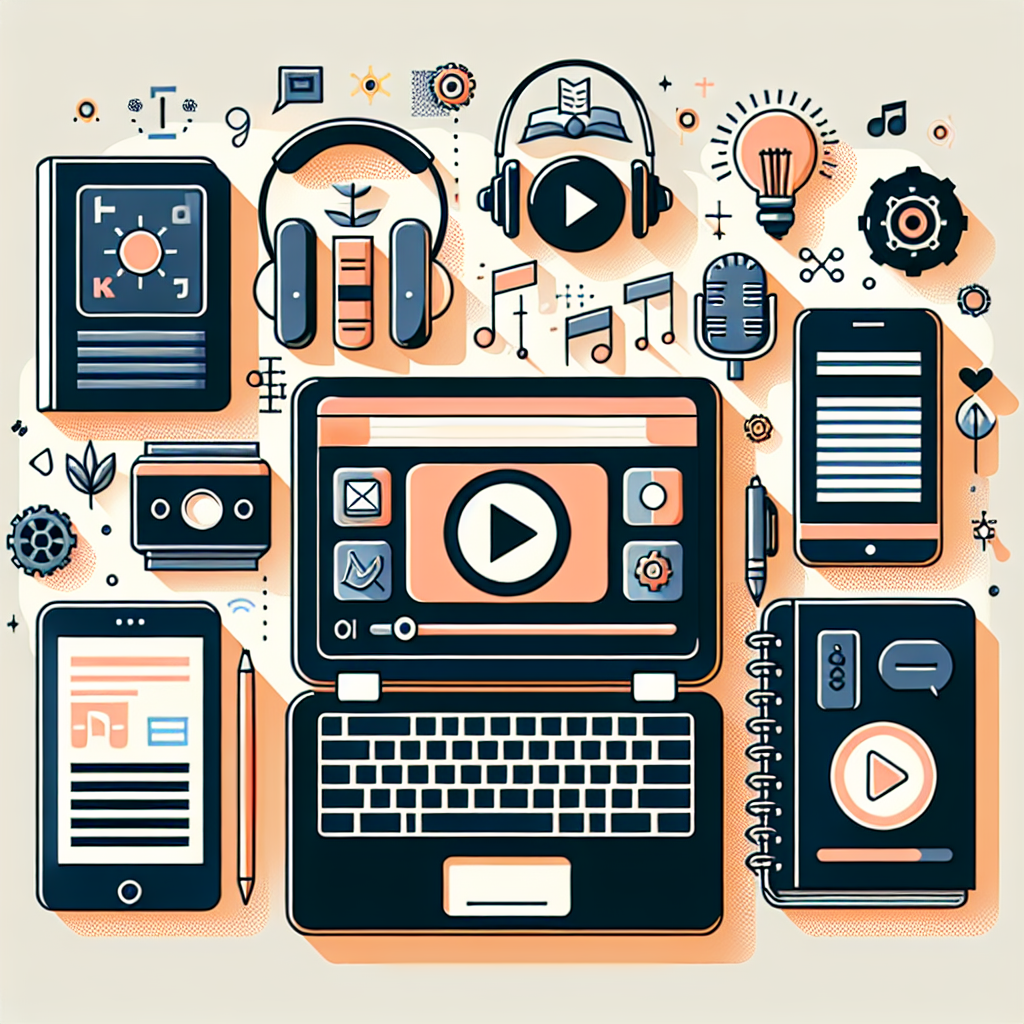
As the demand for multimedia resources grows, so does the necessity for students to select the right tools. Not all multimedia resources are created equal; some may provide superficial information, while others delve deep into the subject matter. This article explores how to choose the most appropriate multimedia tools, ensuring they enhance understanding and retention. By assessing the quality and relevance of resources, students can create a robust study toolkit that supports their academic journey.
Types of Multimedia Resources Available
The variety of multimedia study resources is expansive, catering to different subjects and learning styles. Videos, for instance, can illustrate complex concepts through visual storytelling. Platforms like YouTube or educational sites like Khan Academy offer an array of instructional videos that simplify difficult topics. Interactive simulations, commonly found in science and mathematics, allow students to experiment and visualize concepts in a virtual environment, making learning more engaging.
Podcasts have surged in popularity in recent years, providing a convenient way to absorb information on the go. Educational podcasts cover a wide range of topics, often featuring expert interviews that can deepen understanding and provide real-world context. For students who prefer hands-on learning, interactive quizzes and tools like flashcards can reinforce knowledge through repetition and active recall, which are vital components of effective study techniques.
Real-World Example
Consider a student struggling with biology. Instead of solely relying on textbooks, they could watch a series of videos that explain cellular processes visually. Coupling this with a podcast that discusses recent discoveries in biology allows the student to grasp the material from multiple angles. This multifaceted approach can significantly enhance comprehension and retention compared to traditional methods alone.
How to Select the Right Multimedia Tools
Choosing the right multimedia tools begins with understanding personal learning preferences. Students should reflect on how they learn best: Do they retain information better through listening, watching, or doing? Once this is established, the next step is to research available resources that align with these preferences. Online platforms like Coursera or edX offer curated courses that incorporate various multimedia elements, allowing for a richer learning experience.
Moreover, it’s essential to evaluate the credibility of the sources. Not all online content is created equal; therefore, students should seek resources created by reputable institutions or recognized experts in their fields. Peer reviews and recommendations can also guide the selection process, ensuring that the chosen multimedia tools are both reliable and effective.
Practical Takeaway
Developing a checklist can streamline the selection process. This checklist might include criteria such as source credibility, content relevance, and alignment with personal learning styles. By consciously choosing multimedia resources that meet these standards, students can build a study toolkit that enhances their academic performance.
Benefits of Visual and Auditory Learning Aids
The benefits of incorporating visual and auditory learning aids into study routines are manifold. Research suggests that visual aids improve retention rates, as they help clarify and reinforce complex information. Using diagrams, charts, and videos allows students to visualize relationships between concepts, promoting deeper understanding.
Auditory resources, such as lectures and podcasts, cater to those who learn best by listening. They can be particularly beneficial for reinforcing material during commutes or while exercising. The dual-channel processing theory posits that our brains can process auditory and visual information simultaneously, further enhancing retention and comprehension.
Real-World Scenario
Imagine a student preparing for a history exam. By utilizing a combination of timelines, documentaries, and podcasts, they can engage with the subject matter in a dynamic way. This not only keeps the study sessions interesting but also aids in forming connections between historical events, making it easier to recall information during the exam.
Creating a Balanced Study Resource Toolkit
Building a balanced study resource toolkit involves more than just gathering various multimedia tools; it requires a strategic approach to how these resources are utilized. A well-rounded toolkit might include videos for visual understanding, podcasts for auditory reinforcement, and interactive apps for hands-on practice. This variety prevents monotony and helps maintain engagement during study sessions.
Additionally, incorporating different types of resources can cater to various subjects. For instance, while complex mathematical concepts might be better understood through interactive simulations, literature can be explored through audiobooks and discussion forums. This tailored approach ensures that students are not only consuming information but actively engaging with it.
Practical Application
To effectively manage a multimedia toolkit, students can create a schedule that allocates time for different types of resources. For example, one study session could focus on watching educational videos, while another could incorporate listening to a podcast or participating in an online discussion. This variety can significantly enhance the study experience.
Evaluating the Effectiveness of Multimedia in Learning
After integrating multimedia study resources into a routine, it’s crucial to evaluate their effectiveness. This can be done through self-assessment quizzes, reflection on retention rates, and comparing academic performance before and after implementing these resources. Setting measurable goals and deadlines can also help monitor progress.
Moreover, obtaining feedback from peers or mentors can provide insights into how well the multimedia tools are serving their intended purpose. This collaborative approach not only fosters accountability but also creates an opportunity for sharing tips on effective study techniques.
Continuous Improvement
Continuous evaluation is key to optimizing the study experience. If certain resources aren’t yielding the desired results, it might be time to explore alternative options or adjust the study strategy. Keeping a flexible mindset allows for the incorporation of new and emerging multimedia tools, which can further enhance learning outcomes.
Incorporating multimedia study resources into a study routine can transform the learning experience, making it more engaging and effective. By understanding the types of resources available, selecting the right tools, and continuously evaluating their impact, students can create a dynamic study environment that caters to their unique learning styles. The journey of mastering study techniques is ongoing, and multimedia resources play a pivotal role in that journey. Embracing this approach not only aids in academic success but also cultivates a lifelong love for learning.
As students navigate their academic paths, the integration of multimedia study resources is not just a trend; it’s a fundamental shift in how knowledge is absorbed and retained. By blending traditional study methods with innovative resources, the possibilities for enhancing learning are endless. So, whether through videos, podcasts, or interactive platforms, the key is to experiment and discover what works best, paving the way for a more effective and enjoyable study experience.