
In a world increasingly aware of environmental issues, the shift towards eco-friendly technology for studying is not just a trend; it’s a necessity. As students and learners navigate their educational journeys, integrating sustainable practices into their study routines can make a significant difference. Eco-friendly technology isn’t merely about using greener devices; it involves adopting habits that contribute to a healthier planet while enhancing the study experience. This exploration delves into how eco-friendly technology can transform study sessions, offering practical insights that blend sustainability with effective learning.
The demand for energy-efficient devices has surged as more students seek to minimize their carbon footprint. Selecting energy-efficient technology plays a pivotal role in sustainable studying. Devices like laptops and tablets that consume less power not only reduce energy bills but also lessen the environmental impact. Moreover, innovative companies are increasingly designing products with sustainability in mind, crafting gadgets from recycled materials and promoting longevity over disposability. This focus on efficiency and sustainability can help create a more supportive study environment that aligns with broader ecological goals.
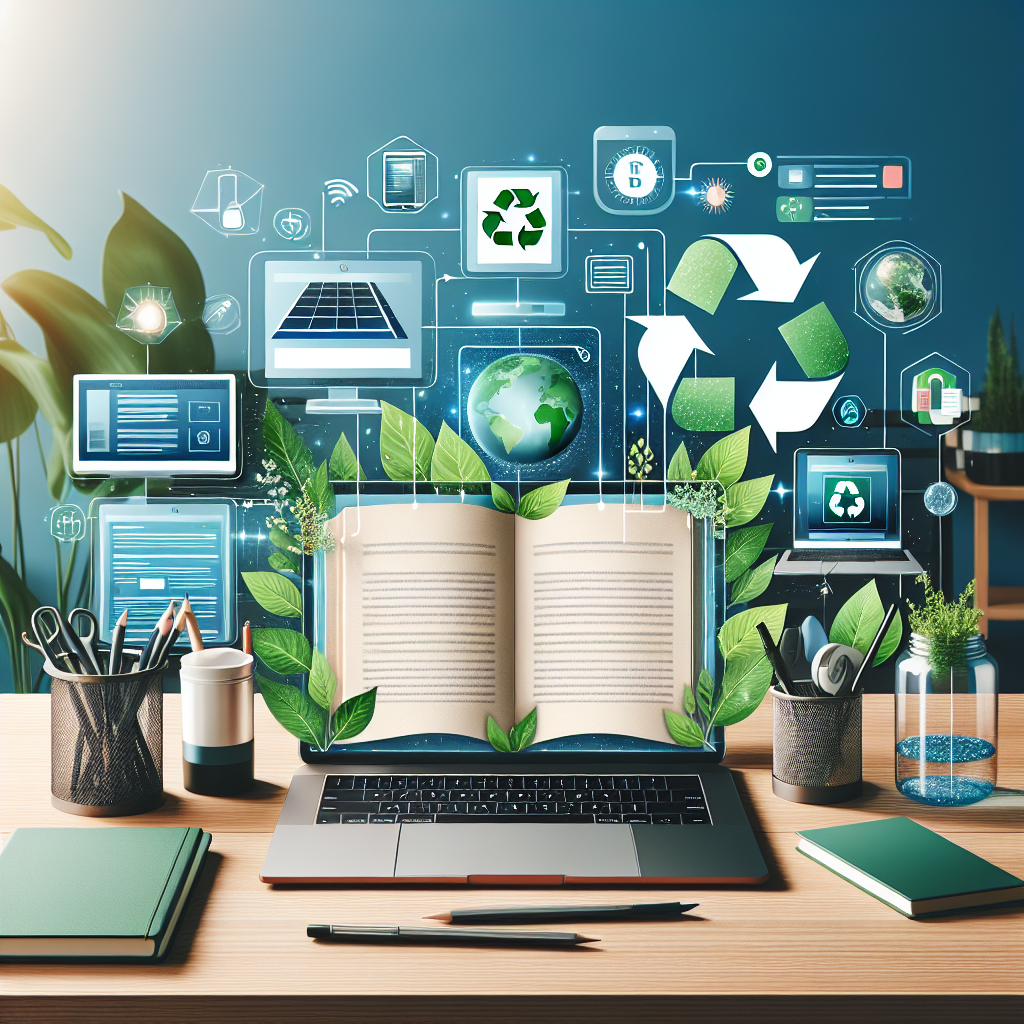
Incorporating eco-friendly technology for studying also means being mindful of digital waste and data storage. With the rise of cloud storage options, students can significantly reduce their reliance on physical materials while managing their documents in a more sustainable manner. However, it’s crucial to utilize these digital resources responsibly. Understanding how to manage data effectively not only minimizes unnecessary storage but also supports a more streamlined and organized approach to studying. By embracing eco-friendly technology, learners can foster sustainable study habits that contribute positively to their educational endeavors and the environment.
Choosing Energy-Efficient Devices
When it comes to selecting devices for studying, energy efficiency should be a top priority. Laptops and tablets with Energy Star ratings or similar certifications indicate that they meet strict energy efficiency guidelines. This not only helps in reducing energy consumption but also extends the lifespan of the devices, aligning with the principles of sustainable study materials. For instance, many educational institutions now encourage the use of energy-efficient laptops in their programs, highlighting the importance of eco-conscious choices.
Real-world examples abound of students who have made the switch to energy-efficient devices. Consider a university student who opted for a solar-powered laptop. Not only did this decision lead to significant savings on energy costs, but it also allowed for studying in various locations without the need for traditional power sources. Such examples illustrate how conscious decisions can lead to both personal and environmental benefits.
The Practical Takeaway
To make the most of energy-efficient technology, it’s advisable to research and invest in devices that are designed with sustainability in mind. This approach not only supports eco-friendly practices but also fosters a sense of responsibility among students regarding their environmental impact. By prioritizing energy-efficient technology, learners can create a more sustainable study kit.
Reducing Digital Waste
Digital waste is a growing concern in our increasingly tech-driven world. Every file stored, app downloaded, and email sent contributes to the overall carbon footprint. As students rely heavily on technology for their studies, it becomes essential to adopt practices that minimize digital waste. Organizing files, deleting unnecessary downloads, and utilizing cloud storage effectively can significantly reduce the amount of data stored on devices.
For example, a student might find that regularly decluttering their digital workspace not only enhances productivity but also lowers their carbon footprint. By committing to a routine of digital maintenance, learners can ensure that they are not only organized but also contributing to a more sustainable digital environment.
The Practical Takeaway
Regularly assessing digital storage and eliminating redundant files can lead to a more efficient study process. It’s a simple yet effective way to practice eco-friendly technology for studying, ensuring that the digital landscape remains manageable and sustainable.
Utilizing Cloud Storage Responsibly
Cloud storage has revolutionized how students manage their study materials. However, it’s vital to use these tools responsibly to maximize their benefits while minimizing environmental impact. Cloud storage allows for the convenient access and sharing of documents without the need for physical copies, aligning perfectly with eco-friendly study alternatives. Yet, being mindful of what is stored in the cloud is equally important.
For instance, students should regularly evaluate their cloud storage utilization. This means deleting files that are no longer needed and organizing folders systematically. This not only helps in reducing clutter but also ensures that the cloud services run efficiently, using less energy overall.
The Practical Takeaway
By adopting a responsible approach to cloud storage, students can enhance their study efficiency while also contributing to a reduction in digital waste. This practice is an essential part of mastering eco-friendly technology in studying.
Finding Apps that Promote Sustainable Studying
The right applications can enhance the study experience while supporting eco-friendly practices. Many educational apps are designed to help students manage their time effectively, set realistic study goals, and promote mindfulness in studying. Some apps even track energy consumption or carbon footprints, helping students stay aware of their environmental impact.
Consider an app that encourages users to take breaks and engage in physical activity during study sessions. This mindful approach not only supports mental health in studying but also fosters a more balanced study routine. By integrating tools that promote both productivity and sustainability, students can cultivate a healthier study environment.
The Practical Takeaway
Utilizing apps that align with eco-friendly technology for studying can greatly enhance the learning experience. These tools empower students to maintain balance and focus while being mindful of their ecological footprint.
Balancing Screen Time with Offline Activities
In an age where screens dominate learning, it’s essential to find a balance between online and offline activities. While technology offers numerous advantages for studying, excessive screen time can lead to burnout and negatively impact mental health. Engaging in offline activities, such as reading physical books or participating in group study sessions without devices, can provide a refreshing break.
For example, a student who alternates between online lectures and hands-on study groups may find an enhanced understanding of the material. This blend of methods not only contributes to a more balanced study schedule but also promotes self-care for studying, which is crucial for mental well-being.
The Practical Takeaway
Creating a study plan that incorporates both digital and offline methods can lead to a more holistic learning experience. This strategy is an excellent way to practice sustainable study habits while also nurturing personal well-being.
In summary, mastering eco-friendly technology for studying is about more than just choosing the right devices; it encompasses a holistic approach to learning. By selecting energy-efficient devices, reducing digital waste, utilizing cloud storage responsibly, finding sustainable apps, and balancing screen time with offline activities, students can create an effective and environmentally friendly study routine. As the educational landscape continues to evolve, embracing these practices will not only enhance individual learning experiences but also contribute to a healthier planet.
Ultimately, adopting eco-friendly technology for studying is an empowering choice. It encourages learners to be more conscious of their impact on the environment while fostering effective study techniques. By integrating these practices into daily routines, students can develop sustainable study habits that will benefit them both academically and personally.