
In the ever-evolving landscape of education, the integration of teaching strategies with visuals has become increasingly vital. The traditional lecture format, while still prevalent, often falls short in engaging students and catering to their diverse learning needs. As research continues to unveil the significant role visuals play in enhancing comprehension and retention, educators are finding innovative ways to incorporate these elements into their classrooms. The goal is not just to present information, but to create a dynamic learning environment that resonates with students on multiple levels.
Visuals are not merely supplementary tools; they can transform the teaching experience. From infographics that distill complex information into digestible bits, to mind maps that foster deeper understanding, these strategies enhance the ability to connect ideas and concepts. This article delves into the importance of visuals in teaching and outlines effective strategies for their integration, offering insights that can enrich both the learning experience and educational outcomes.
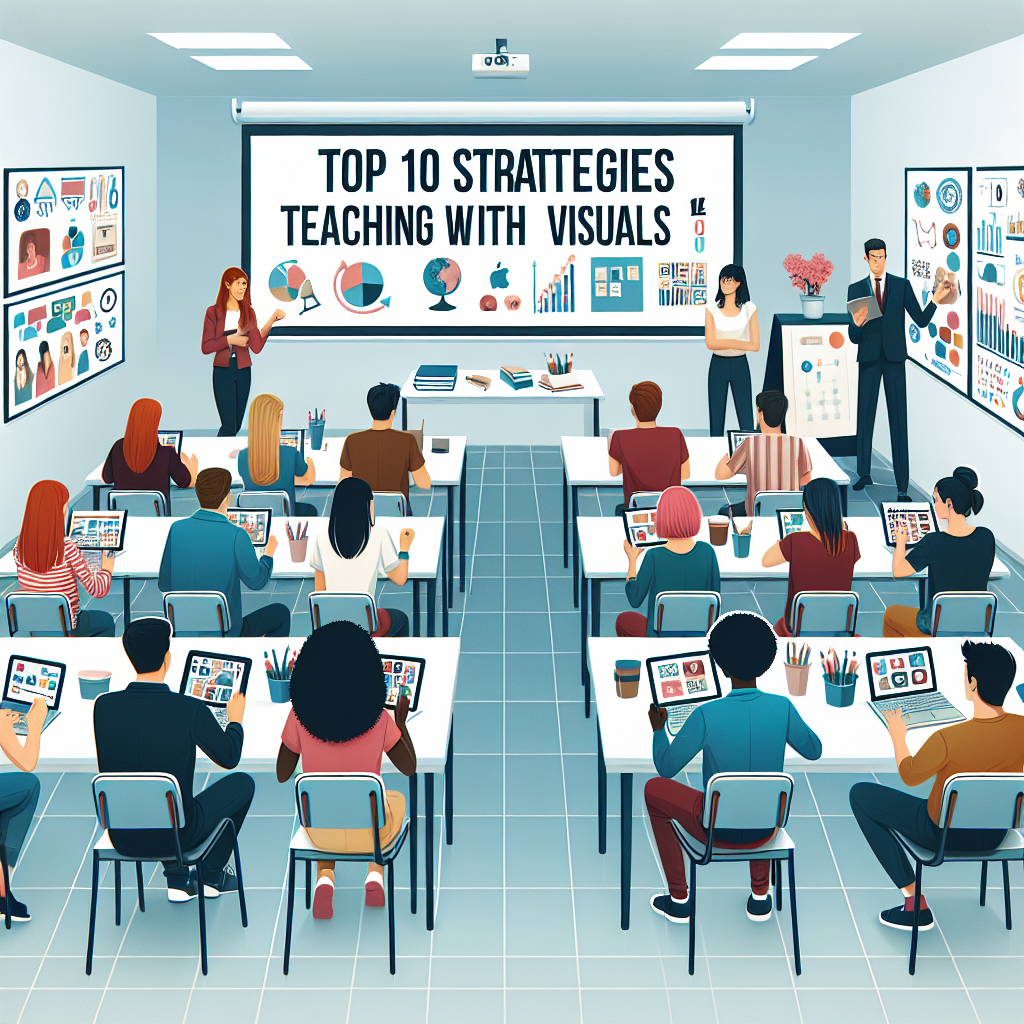
As the psychology of visual learning suggests, the human brain is inherently wired to process images more efficiently than text. This natural inclination makes it essential for educators to harness the power of visuals. By embracing various teaching strategies with visuals, educators can create a rich tapestry of learning that caters to different age groups, from early childhood to adult education. In the following sections, we will explore best practices, examples, and the transformative potential of visual learning in the classroom.
The Importance of Visuals in Teaching
When it comes to effective learning, the role of visuals cannot be overstated. Visuals can facilitate comprehension, enhance retention, and foster engagement among learners. They serve as cognitive aids that help students connect dots, see relationships between concepts, and recall information more effectively. Research has shown that visual learning can lead to improved academic performance, making it a crucial component of modern pedagogy.
Consider a scenario in a science classroom where students are learning about the water cycle. A teacher might utilize a series of diagrams illustrating each stage—evaporation, condensation, precipitation. By presenting this information visually, students can better grasp the process as a whole rather than memorizing isolated facts. This approach not only makes the lesson more engaging but also reinforces understanding through visual representation.
Moreover, visuals can cater to the varied learning styles present within a classroom. Some students might find it easier to absorb information through images rather than text, suggesting that teaching strategies with visuals should be a staple in any educator’s toolkit. By embracing diverse formats such as videos, diagrams, and charts, teachers can create a more inclusive learning environment that meets the needs of all students.
Real-World Example
A practical example of the importance of visuals can be seen in the realm of language learning. Educators often use flashcards featuring images alongside vocabulary words. This technique not only aids in vocabulary retention but also reinforces meaning through visual context. Students who might struggle with traditional reading methods often thrive in such visually rich environments.
The takeaway here is clear: integrating visuals into teaching not only enhances understanding but also fosters a more engaging and supportive learning atmosphere.
Best Practices for Integrating Visuals in Lessons
Integrating visuals into lessons requires thoughtful planning and execution. One effective strategy is to align visuals with learning objectives. By ensuring that each visual serves a clear purpose, educators can maximize their impact. For instance, when introducing a new topic, a compelling infographic can provide an overview that sets the stage for deeper exploration. This not only piques students’ interest but also creates a framework for the upcoming content.
Another best practice involves varying the types of visuals used throughout a lesson. Using a mix of images, charts, videos, and interactive visuals can cater to different learning preferences and keep students engaged. For example, a history lesson might begin with a video clip to introduce a topic, followed by a timeline graphic that outlines key events, and conclude with a discussion that encourages students to reflect on what they’ve learned visually.
Additionally, incorporating student-created visuals can empower learners and encourage ownership of their education. Allowing students to create mind maps or presentations not only reinforces the material but also taps into their creativity. This process can be particularly beneficial in project-based learning settings, where collaboration and presentation skills are essential.
Real-World Example
A high school teacher might assign a project where students create a visual representation of a scientific concept, such as the human body systems. By doing so, students engage deeply with the subject matter, exploring it from various angles and presenting their findings visually. The result is a collaborative learning experience that fosters critical thinking and creativity.
The key takeaway from these practices is that thoughtful integration of visuals can significantly enhance lesson effectiveness and student engagement.
Creating a Visually Rich Classroom Environment
Establishing a visually rich classroom environment goes beyond simply adding posters and charts to the walls. It involves a holistic approach to classroom design that promotes visual learning. This can be achieved by utilizing colorful displays, interactive boards, and technology that encourages visual interaction. A visually stimulating environment can motivate students and foster a sense of belonging.
Incorporating technology is particularly effective in creating a modern learning space. Tools such as interactive whiteboards and projectors can bring lessons to life, allowing educators to present information in dynamic ways. For instance, a geography lesson could include interactive maps that students can manipulate to explore various countries, fostering curiosity and engagement.
Moreover, creating a visually rich environment can also cater to different age groups. For example, early childhood classrooms benefit from bright colors and playful designs, while high school classrooms may focus on more sophisticated visuals that resonate with older students. Tailoring the visual elements to the specific needs of the learners can enhance their educational experience significantly.
Real-World Example
Imagine a middle school classroom where the walls are adorned with student work, charts summarizing key concepts, and a dedicated area for collaborative projects. This vibrant atmosphere not only encourages creativity but also reinforces the idea that learning is a shared journey. Students are more likely to engage with the material when they see their efforts reflected in the learning space.
The takeaway is that a visually rich classroom environment can inspire motivation and foster a positive learning culture.
Using Visuals to Cater to Diverse Learners
One of the most significant advantages of teaching strategies with visuals is their ability to cater to diverse learners. Every student comes with unique strengths and challenges, and visuals can bridge gaps in understanding. For example, students with learning disabilities may struggle with traditional text-based instruction, yet visuals can provide alternative pathways to knowledge.
Consider a classroom with English language learners (ELLs). Utilizing visuals such as labeled diagrams, pictorial vocabulary cards, and videos can help these students grasp new concepts more easily. These tools can make complex ideas more accessible, allowing ELLs to participate more fully in discussions and activities.
Additionally, visuals can help engage students with varying attention spans. For instance, incorporating short video clips or interactive visuals can break up traditional lecture formats, keeping students focused and interested. This approach not only aids comprehension but also fosters a more inclusive classroom where all students feel valued.
Real-World Example
A teacher working with students who have diverse learning needs might implement graphic organizers to help structure thoughts and ideas visually. This technique allows all students, regardless of their learning style, to engage with the material actively and effectively. The result is a more equitable learning experience that celebrates diversity.
The key takeaway is that visuals can play a crucial role in addressing the diverse needs of learners, making education more inclusive and effective.
Feedback and Assessments for Visual Learning Approaches
Feedback is an essential component of the learning process, and it is equally important when utilizing teaching strategies with visuals. Providing students with constructive feedback on their visual assignments can help them understand their strengths and areas for improvement. For example, a teacher might use a rubric to assess a student’s infographic, highlighting elements such as clarity of information, creativity, and engagement.
Moreover, assessments should reflect the visual learning strategies employed in the classroom. This could mean incorporating visual elements into traditional assessments, such as asking students to create a visual summary of what they’ve learned or to present their understanding through a mind map. Such assessments can provide deeper insights into student comprehension.
Importantly, gathering student feedback on the visual learning strategies used can also inform future teaching practices. Understanding how students perceive the effectiveness of visual aids can guide educators in refining their approaches. If students express that they struggle with certain visuals, educators can adapt their methods to ensure that all learners benefit.
Real-World Example
A teacher might conduct a survey at the end of a unit to gather feedback on how visuals impacted student learning. By analyzing this feedback, the teacher can adjust future lessons to better meet student needs, ultimately enhancing the educational experience.
The takeaway here is that incorporating feedback mechanisms is vital for assessing the impact of visual learning approaches and for continuous improvement.
Conclusion
Teaching strategies with visuals offer a powerful means of enhancing the learning experience. By understanding the significance of visual aids and effectively integrating them into lessons, educators can foster a more engaging and supportive environment. Whether through infographics, mind maps, or interactive visuals, the possibilities for enriching education are vast.
Ultimately, embracing these strategies not only benefits students academically but also equips them with essential skills for the future. As the landscape of education continues to change, the commitment to implementing visual learning techniques will remain crucial. By prioritizing a visually rich learning environment, educators can truly inspire and empower the next generation of learners.