
Collaborative learning in higher education has emerged as a transformative approach to education, redefining how students interact, learn, and engage with one another. It shifts the traditional paradigm of learning, where the instructor is the sole authority, to a more dynamic environment where students actively participate in their education. This method not only enhances knowledge acquisition but also fosters essential skills such as teamwork, communication, and critical thinking. As universities increasingly incorporate this model, understanding its significance and applications becomes vital for both educators and students alike.
At its core, collaborative learning is grounded in the belief that learning is a social process. It recognizes that knowledge is constructed through interaction and dialogue among peers. This approach resonates particularly well with the needs of today’s students, who thrive in environments that encourage participation and collaboration. In higher education, where the diversity of thought and experience can enrich learning, collaborative learning strategies can lead to more profound insights and a deeper understanding of complex subjects.
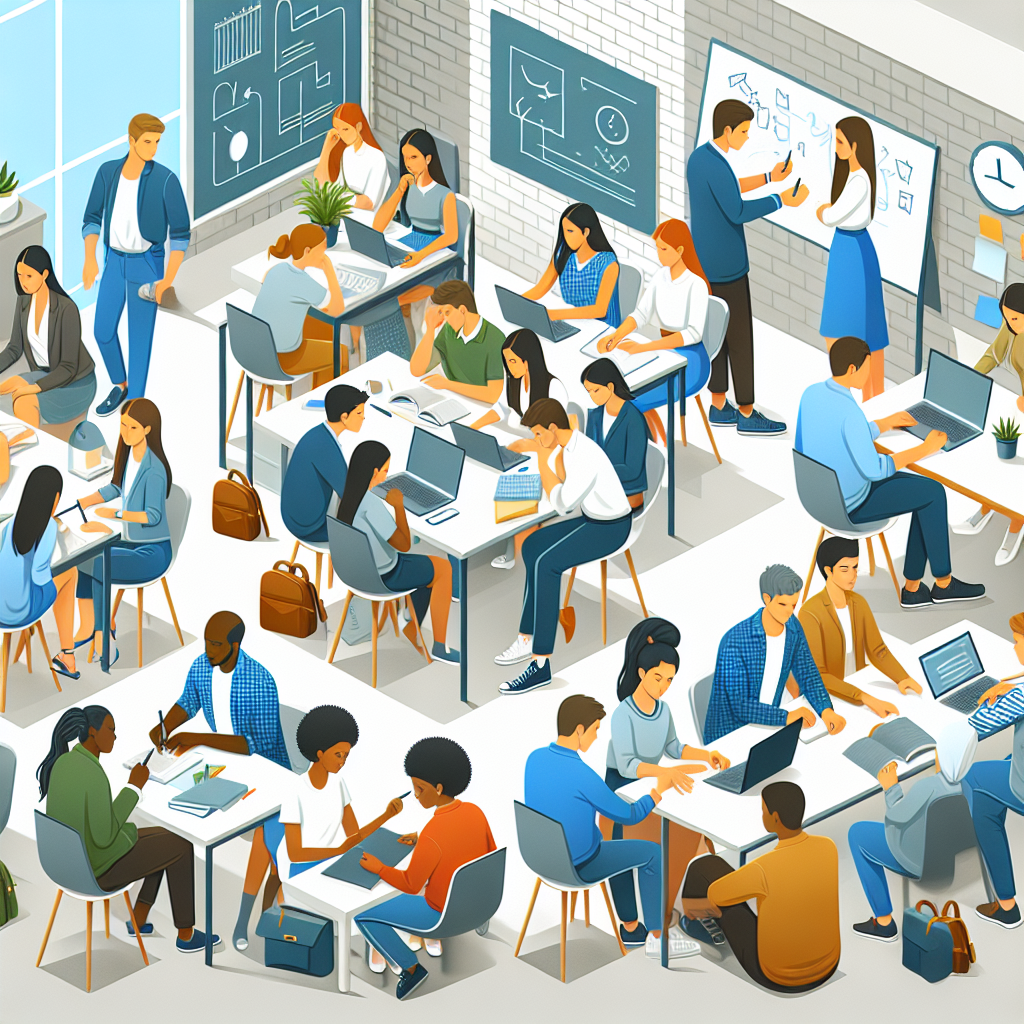
This comprehensive guide will explore various facets of collaborative learning in higher education. From its theoretical foundations to practical applications, the benefits and challenges faced by students and educators alike will be examined. Additionally, insights into technological tools that enhance collaborative learning, effective assessment methods, and case studies of successful initiatives will be shared. Ultimately, this guide aims to provide a holistic view of collaborative learning, offering actionable strategies for fostering a culture of collaboration in academic settings.
Understanding Collaborative Learning
To grasp the essence of collaborative learning in higher education, it is essential to define what it entails. Collaborative learning is an educational approach where students work together in groups to solve problems, complete tasks, or understand concepts. This method emphasizes group interaction, allowing students to share perspectives, challenge each other’s ideas, and collectively construct knowledge. It stands in contrast to traditional learning models, where students often work in isolation, relying solely on lectures and individual assignments.
The theoretical frameworks that support collaborative learning include social constructivism, which posits that knowledge is built through social interaction. Prominent theorists like Vygotsky emphasized the importance of social context in learning, suggesting that collaboration enhances cognitive development. In practice, this means students are not just recipients of information; they are active participants in their learning journey, engaging with peers to explore diverse viewpoints and solutions.
Moreover, collaborative learning can take various forms, from small group discussions to larger project-based initiatives. Each format has its unique benefits, allowing educators to tailor their approach to the specific needs of their students. For instance, small group discussions can facilitate intimate dialogue, while larger projects can harness diverse skills and perspectives, leading to richer outcomes.
The Role of Effective Group Dynamics
One of the keys to successful collaborative learning is effective group dynamics. Group dynamics refers to the interactions and relationships among group members, which can significantly impact the learning experience. When groups function well, students feel more comfortable sharing their ideas and perspectives, leading to a more vibrant exchange of thoughts. Conversely, poor dynamics can hinder participation and lead to frustration.
To foster effective group dynamics, it is crucial to establish clear goals and norms at the outset. Educators can facilitate this by guiding students in setting expectations for communication, participation, and conflict resolution. Additionally, incorporating icebreaker activities can help break down barriers and build rapport among group members, creating a more inclusive environment where everyone feels valued.
Benefits of Collaborative Learning
The benefits of collaborative learning extend far beyond the classroom. For university students, engaging in collaborative learning can lead to improved academic performance, as it encourages deeper understanding and retention of material. Working with peers allows students to clarify their thoughts, test their knowledge, and gain new insights from others, which enhances the overall learning experience.
Moreover, collaborative learning fosters essential life skills that are highly sought after in the workplace. Skills such as teamwork, communication, and problem-solving are all honed through collaborative activities. In today’s job market, employers increasingly value candidates who can work well in teams and navigate complex interpersonal dynamics. As such, collaborative learning prepares students not only for academic success but also for future professional endeavors.
For medical students, the benefits of collaborative learning are particularly pronounced. Team-based learning in medical education promotes interprofessional collaboration, which is critical in healthcare settings. By working together in a collaborative environment, medical students can develop communication skills and learn the importance of teamwork in patient care. Such experiences can lead to better patient outcomes, as healthcare professionals who collaborate effectively can provide more comprehensive and coordinated care.
Case Study: Successful Collaborative Learning Initiatives
Numerous universities have successfully implemented collaborative learning initiatives that highlight its effectiveness. One notable example is the Team-Based Learning (TBL) model used in several medical schools. In TBL, students are grouped into teams and engage in a series of learning activities that require collaboration and critical thinking.
At the University of Central Florida College of Medicine, TBL has been integrated into the curriculum to enhance students’ understanding of complex medical concepts. Students report increased engagement and retention of information, as the collaborative nature of the learning activities encourages them to actively participate and support one another. This approach not only improves academic performance but also builds a sense of community among students, further enriching their educational experience.
Challenges in Collaborative Learning Environments
While the benefits of collaborative learning are substantial, it is not without its challenges. One common issue is the unequal distribution of workload among group members. In some cases, certain students may dominate discussions or take on most of the responsibilities, leading to frustration among their peers. This imbalance can hinder the collaborative process and limit the learning potential of the entire group.
Another challenge lies in differing communication styles and cultural backgrounds. In diverse classrooms, students may have varying approaches to collaboration, which can lead to misunderstandings or conflicts. Educators must be aware of these dynamics and work to create an inclusive environment that encourages open dialogue and respect for different perspectives.
To address these challenges, educators can implement structured guidelines for group work. Clear expectations regarding roles and responsibilities can help ensure that all group members contribute equally. Additionally, promoting a culture of feedback can encourage students to communicate openly about their experiences and address any issues that arise during collaborative activities.
Conflict Resolution in Collaborative Groups
Conflict is an inevitable part of any collaborative process, but it can be managed effectively with the right strategies. Educators can equip students with conflict resolution skills, teaching them how to navigate disagreements constructively. This may involve role-playing exercises or discussions around common conflict scenarios.
Encouraging students to approach conflicts with a problem-solving mindset can foster a more positive atmosphere. When conflicts are viewed as opportunities for growth and learning, students are more likely to engage openly and work towards resolutions that benefit the entire group.
Implementing Collaborative Learning Strategies
Implementing collaborative learning in higher education requires thoughtful planning and strategic execution. Educators should begin by designing collaborative learning experiences that align with their course objectives. This may involve creating group assignments that promote critical thinking and require students to apply their knowledge in real-world scenarios.
Additionally, incorporating technology can enhance collaborative learning experiences. Online platforms and tools can facilitate communication and collaboration among students, particularly in hybrid or online courses. For instance, using collaborative software like Google Docs allows students to work together on projects in real time, fostering a sense of teamwork even when they are not in the same physical space.
Moreover, it is essential to provide ongoing support and guidance throughout the collaborative learning process. Regular check-ins with groups can help educators identify any challenges and offer assistance as needed. By maintaining open lines of communication, educators can ensure that students feel supported and empowered in their collaborative efforts.
Technological Tools for Collaborative Learning
In today’s digital age, numerous technological tools can enhance collaborative learning experiences. Platforms such as Microsoft Teams and Slack facilitate communication and project management among group members, allowing for seamless collaboration. These tools can also help students stay organized and keep track of their tasks.
Additionally, learning management systems (LMS) like Canvas or Moodle offer features that support collaborative learning, such as discussion boards and group assignment functionalities. By leveraging these tools, educators can create an interactive and engaging learning environment, fostering collaboration both inside and outside the classroom.
Assessment Methods for Collaborative Learning
Assessing collaborative learning can be complex, as traditional methods may not adequately capture individual contributions and group dynamics. To address this, educators can employ a variety of assessment methods that reflect the collaborative nature of the activities. Peer assessment, for example, allows students to evaluate each other’s contributions, promoting accountability and reflective thinking.
Rubrics that outline specific criteria for group work can also provide clarity and transparency in the assessment process. By defining expectations for collaboration, communication, and problem-solving, educators can help students understand what constitutes effective teamwork.
Moreover, incorporating self-assessment can encourage students to reflect on their own contributions and growth throughout the collaborative process. This dual approach to assessment not only evaluates the outcomes of collaborative learning but also fosters a culture of self-improvement and accountability among students.
Future Trends in Collaborative Learning
The landscape of collaborative learning is continually evolving, influenced by advancements in technology and changing educational paradigms. One notable trend is the increasing emphasis on interprofessional collaborative learning, particularly in healthcare education. As healthcare becomes more integrated, training future professionals to work collaboratively across disciplines is essential for improving patient care.
Additionally, the rise of remote and hybrid learning environments has prompted educators to rethink traditional collaborative strategies. Innovative approaches that leverage technology to facilitate online collaboration are becoming more prevalent. Tools that enable synchronous and asynchronous collaboration are essential for creating inclusive and accessible learning experiences.
Conclusion
Collaborative learning in higher education represents a significant shift in how students engage with each other and their learning. By fostering an environment that values collaboration, educators can enhance academic performance while equipping students with essential skills for their future careers. The benefits of collaborative learning—ranging from improved communication to greater critical thinking—underscore its importance in today’s educational landscape.
As the field continues to evolve, embracing innovative strategies and technologies will be crucial in maximizing the potential of collaborative learning. Educators are encouraged to explore effective collaborative learning techniques, assess their impact on student outcomes, and continuously adapt their approaches to meet the diverse needs of their students. By doing so, they will not only enrich the educational experience but also prepare students for success in an increasingly collaborative world.